

Some places stay with us long after we have left them.
Not necessarily because of the sights we saw or the photographs we took, but because of how we felt when we were there. A particular quality of light. Colours we would never have thought to put together. The atmosphere of a place, a conversation with a stranger, or a moment that made us see something differently.
That's one of the things I value most about travelling: it takes us beyond what we know and gives us a chance to see the familiar through different eyes.
INSPIRATION, PERSPECTIVE AND THE UNEXPECTED
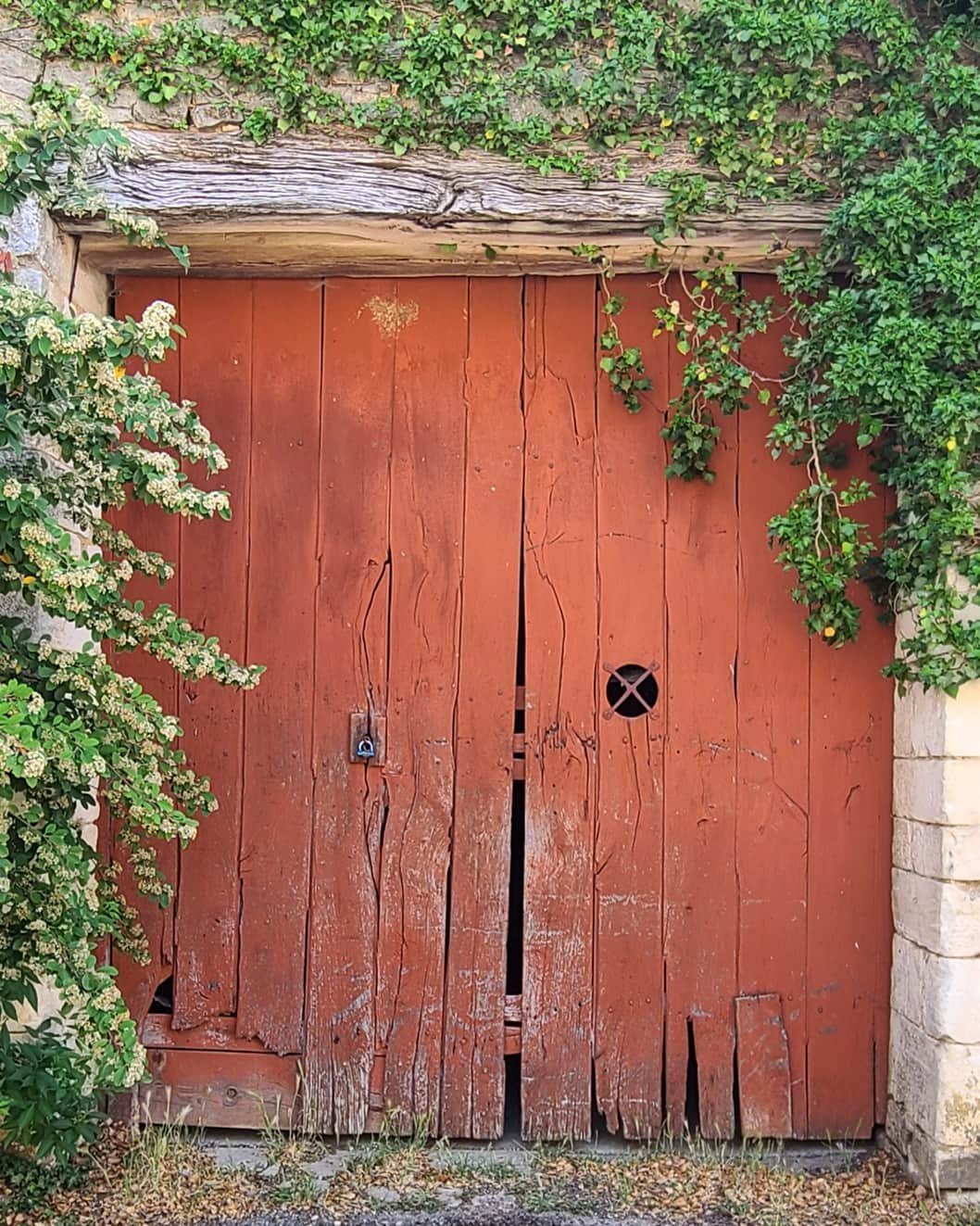
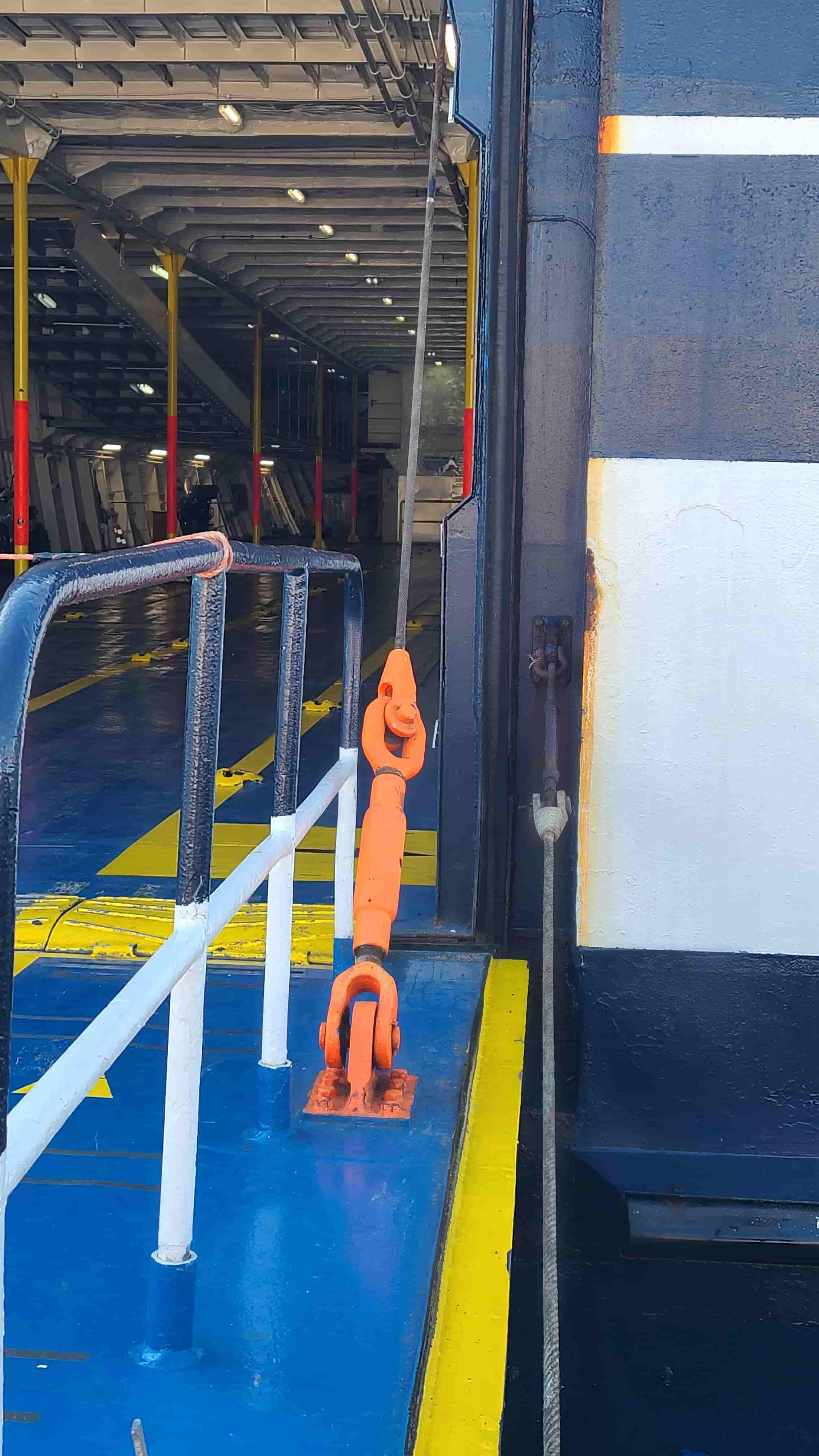
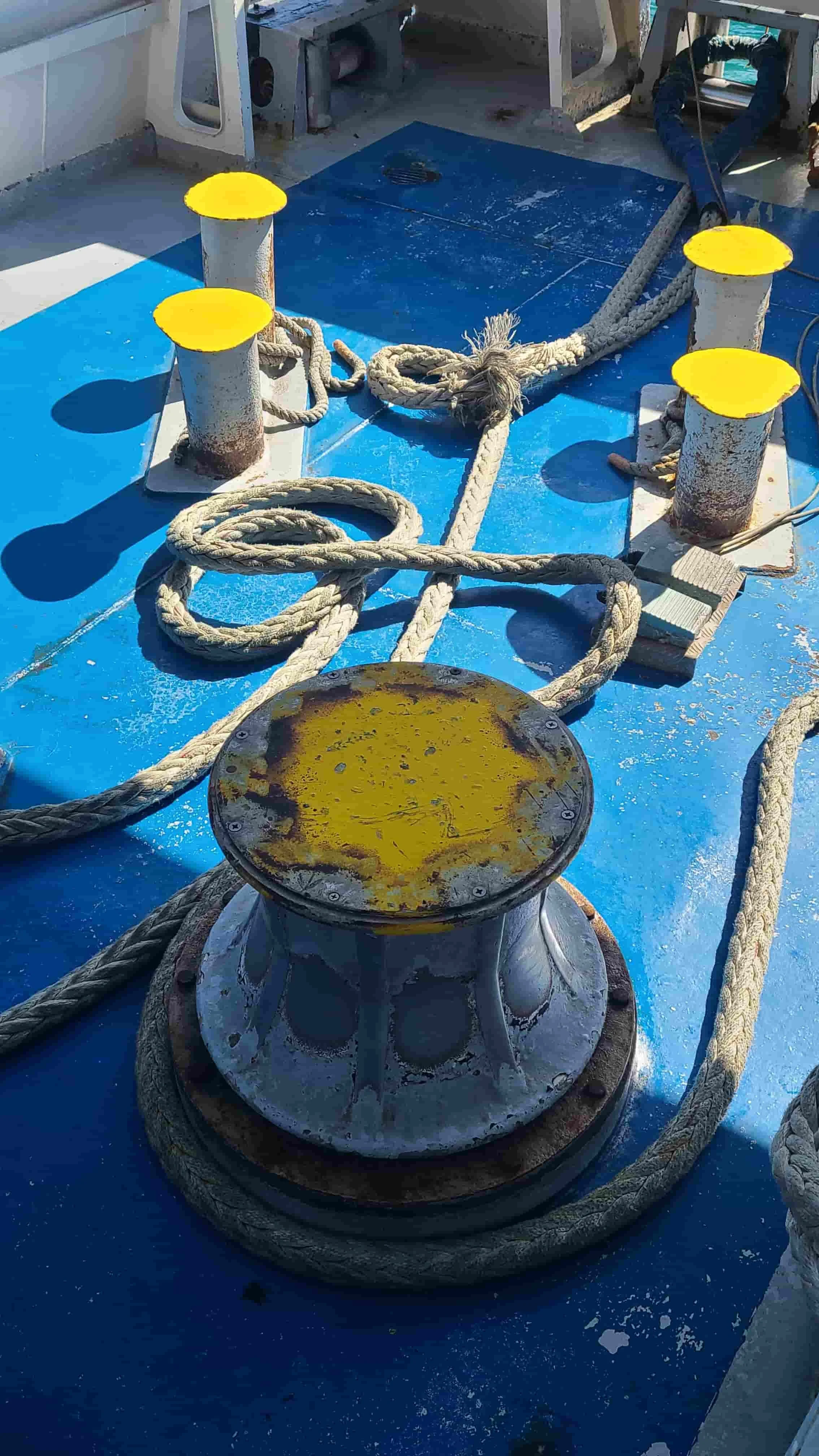
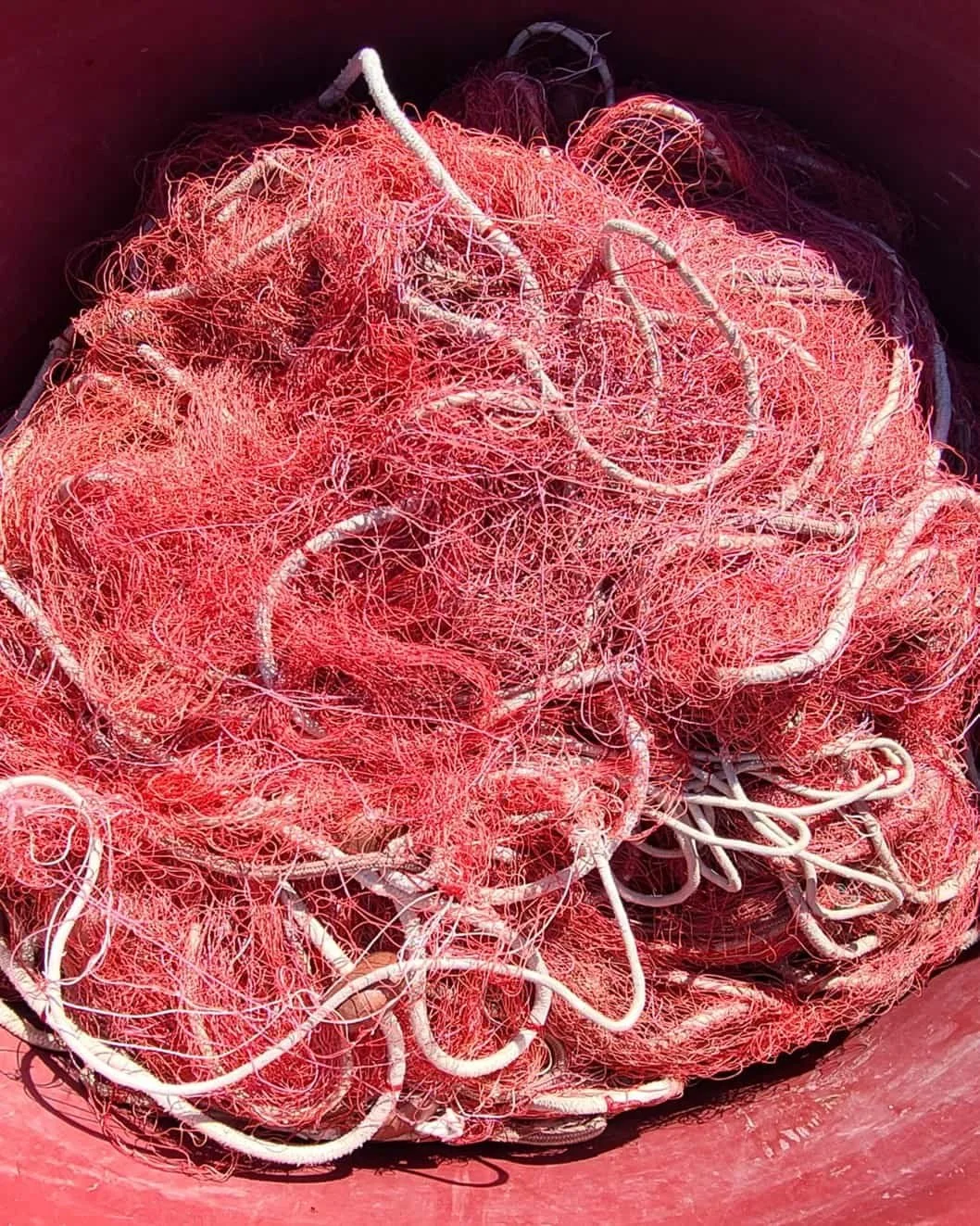
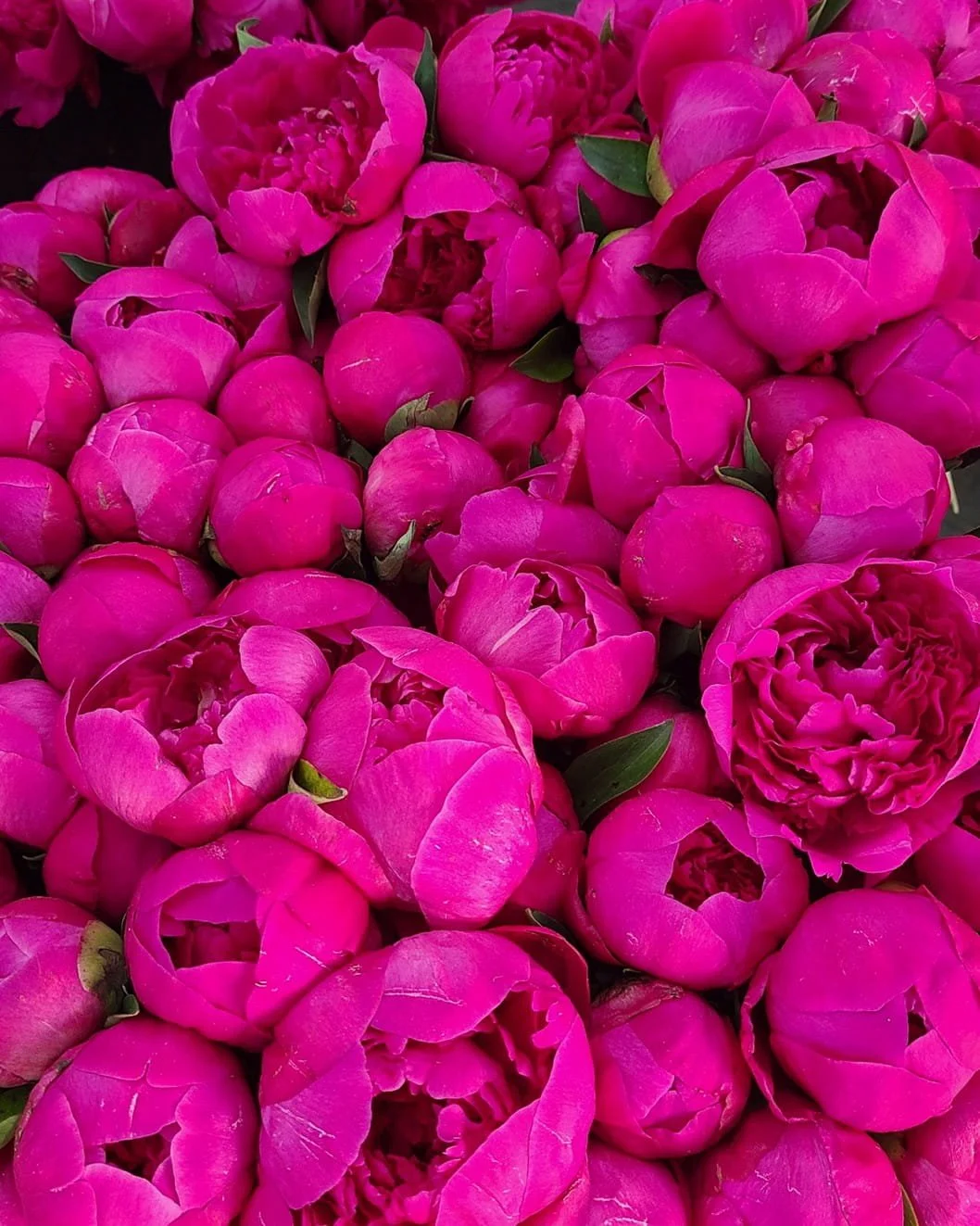
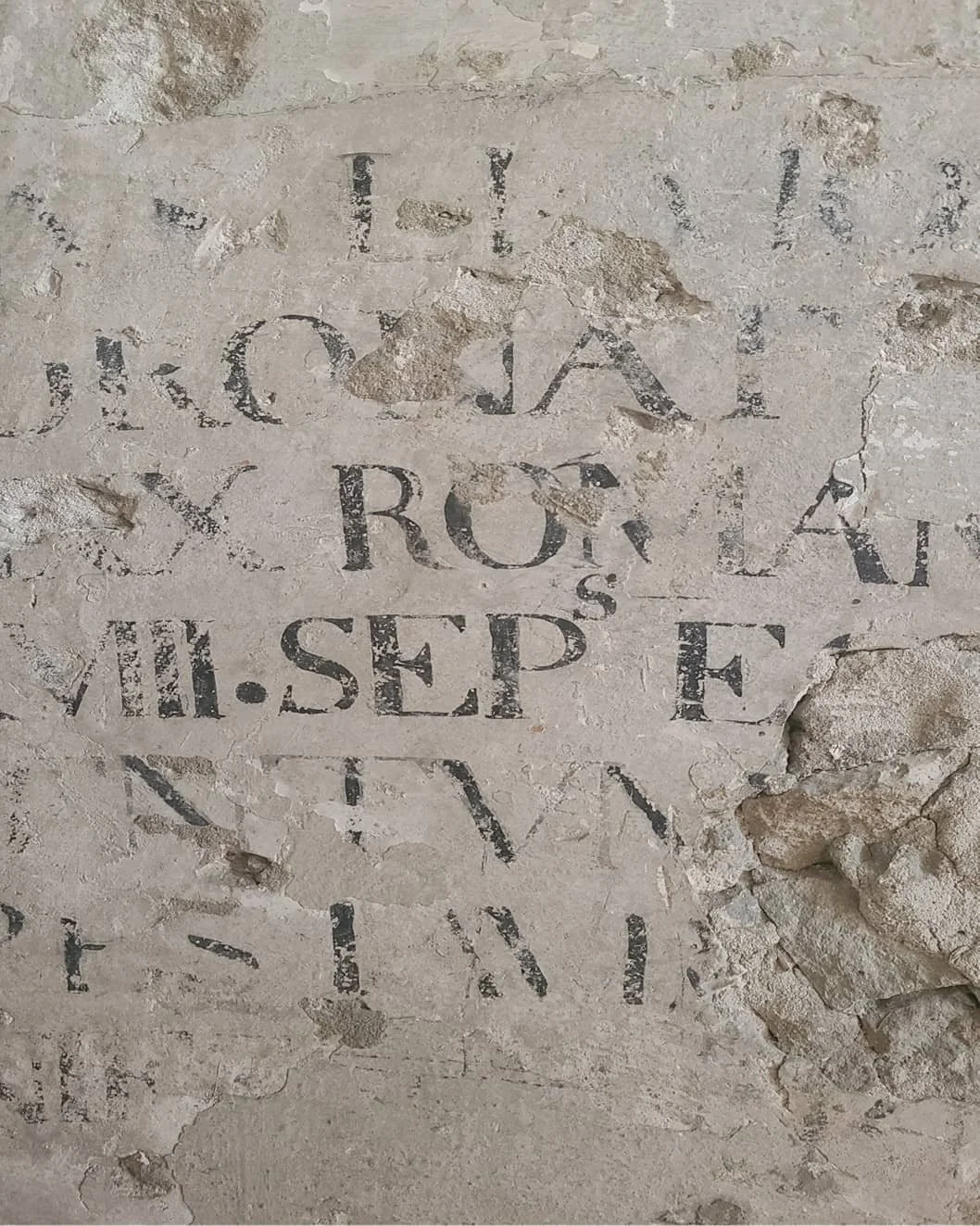
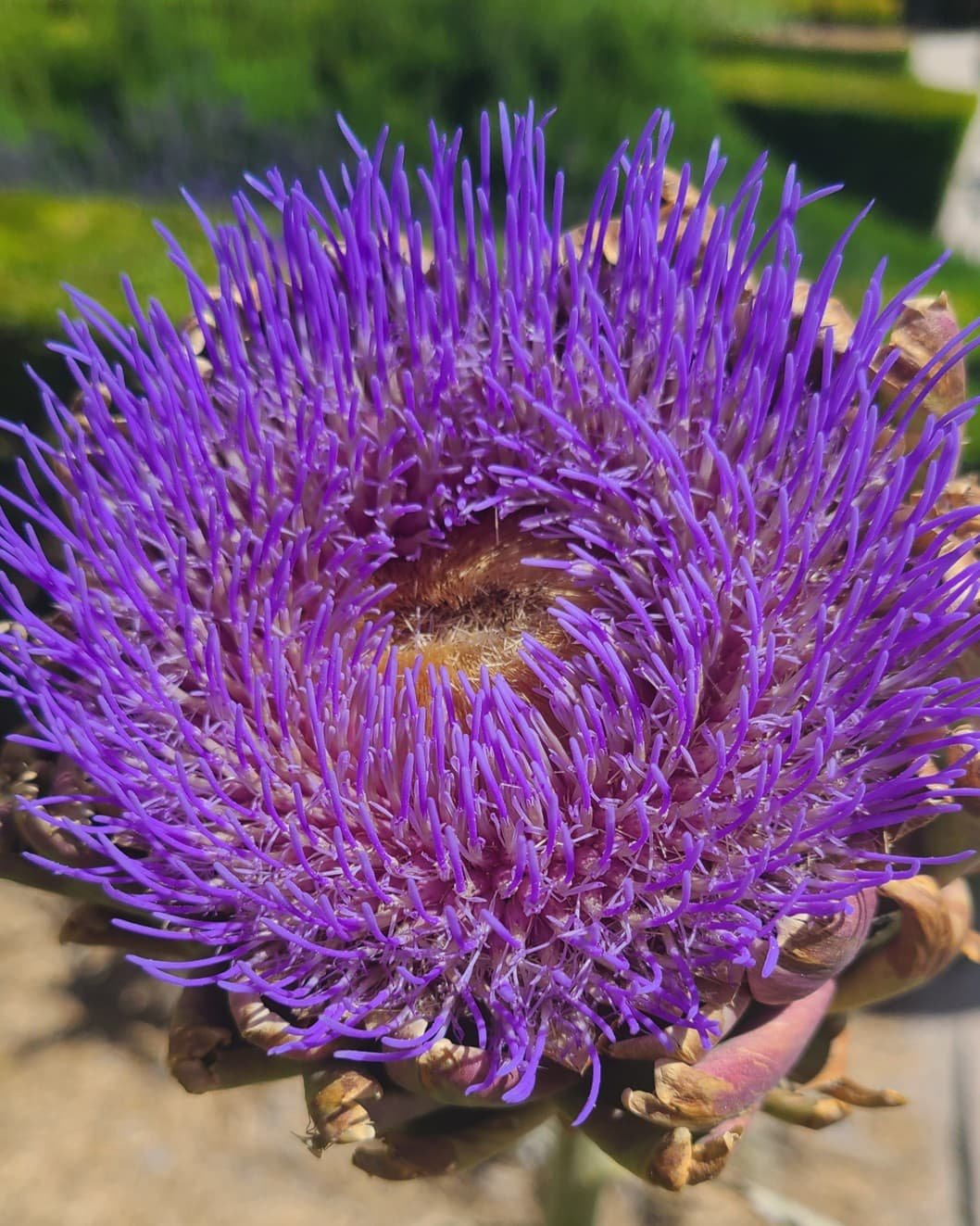
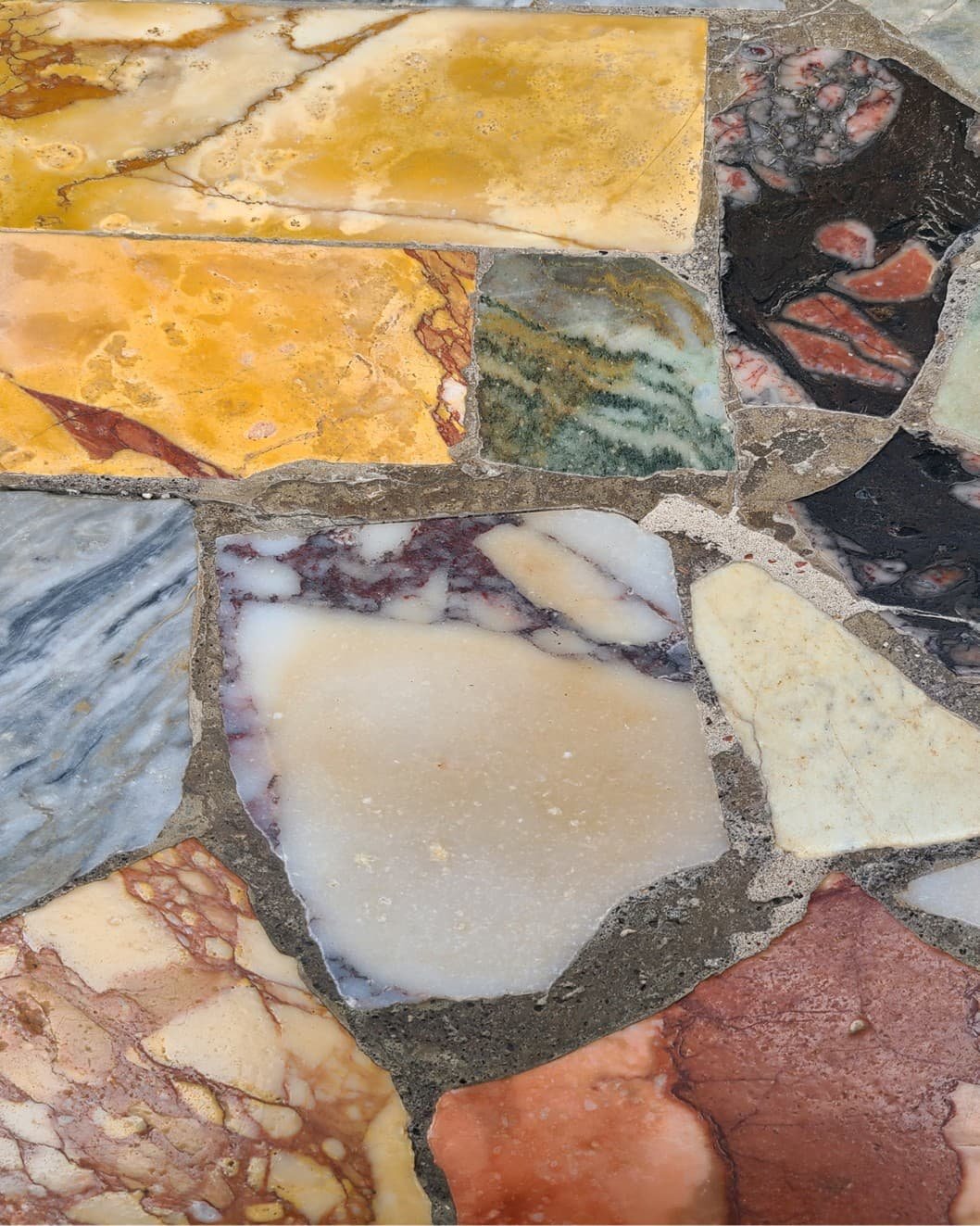
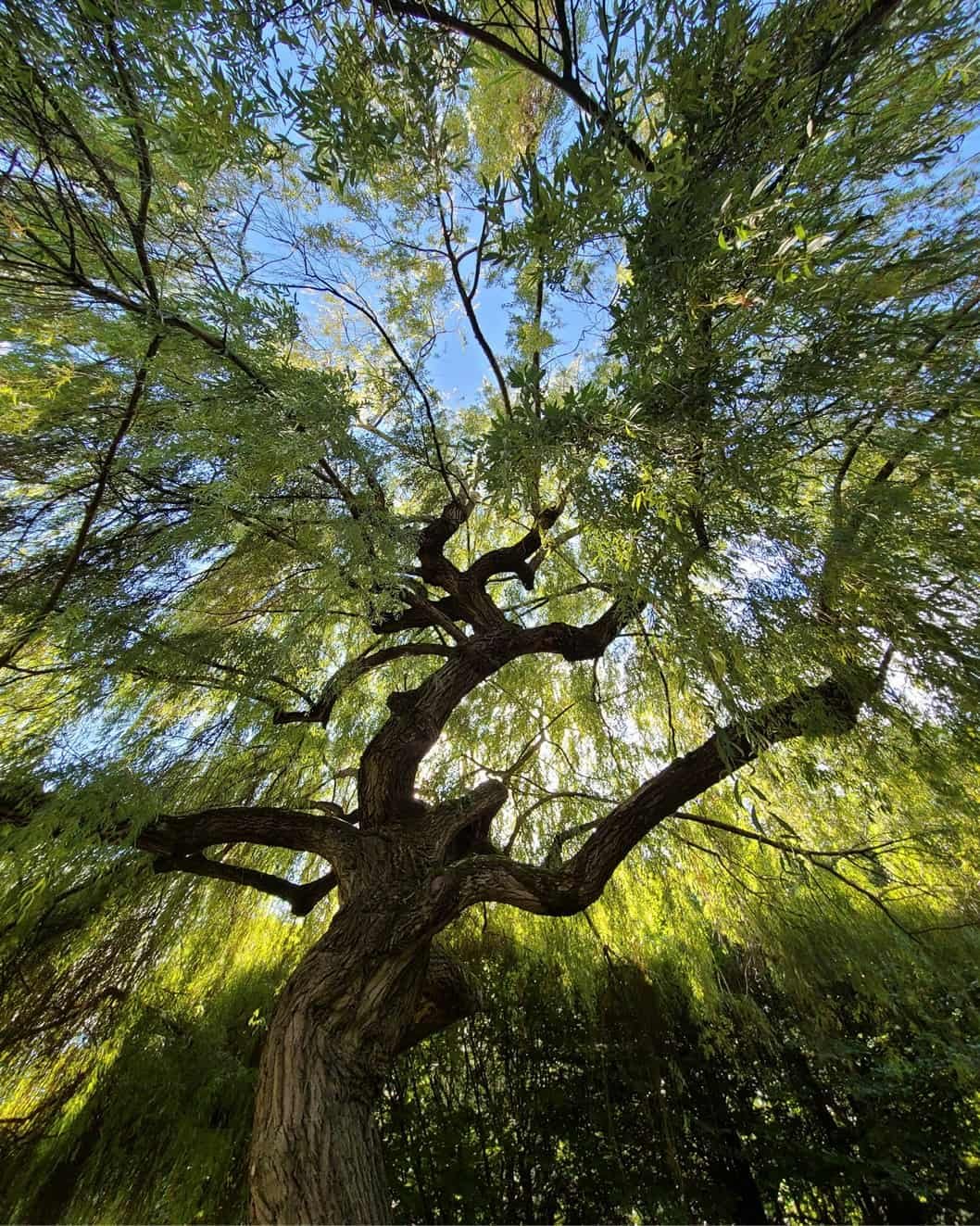
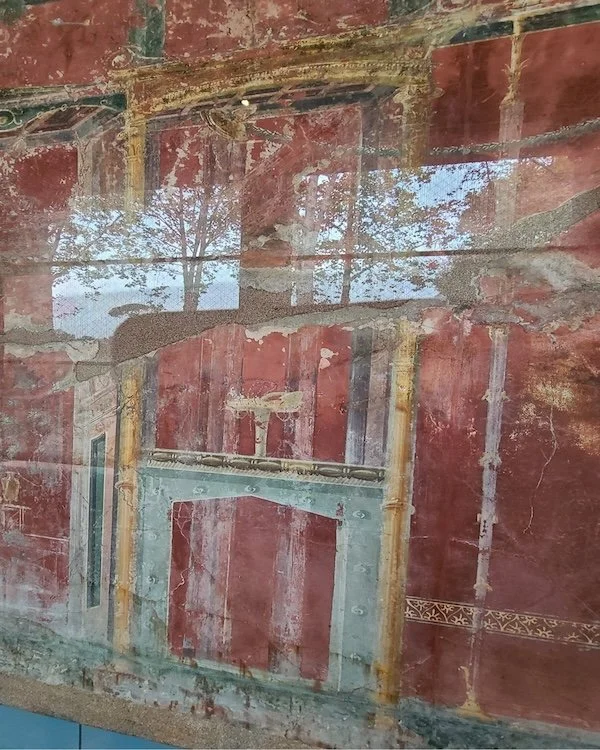
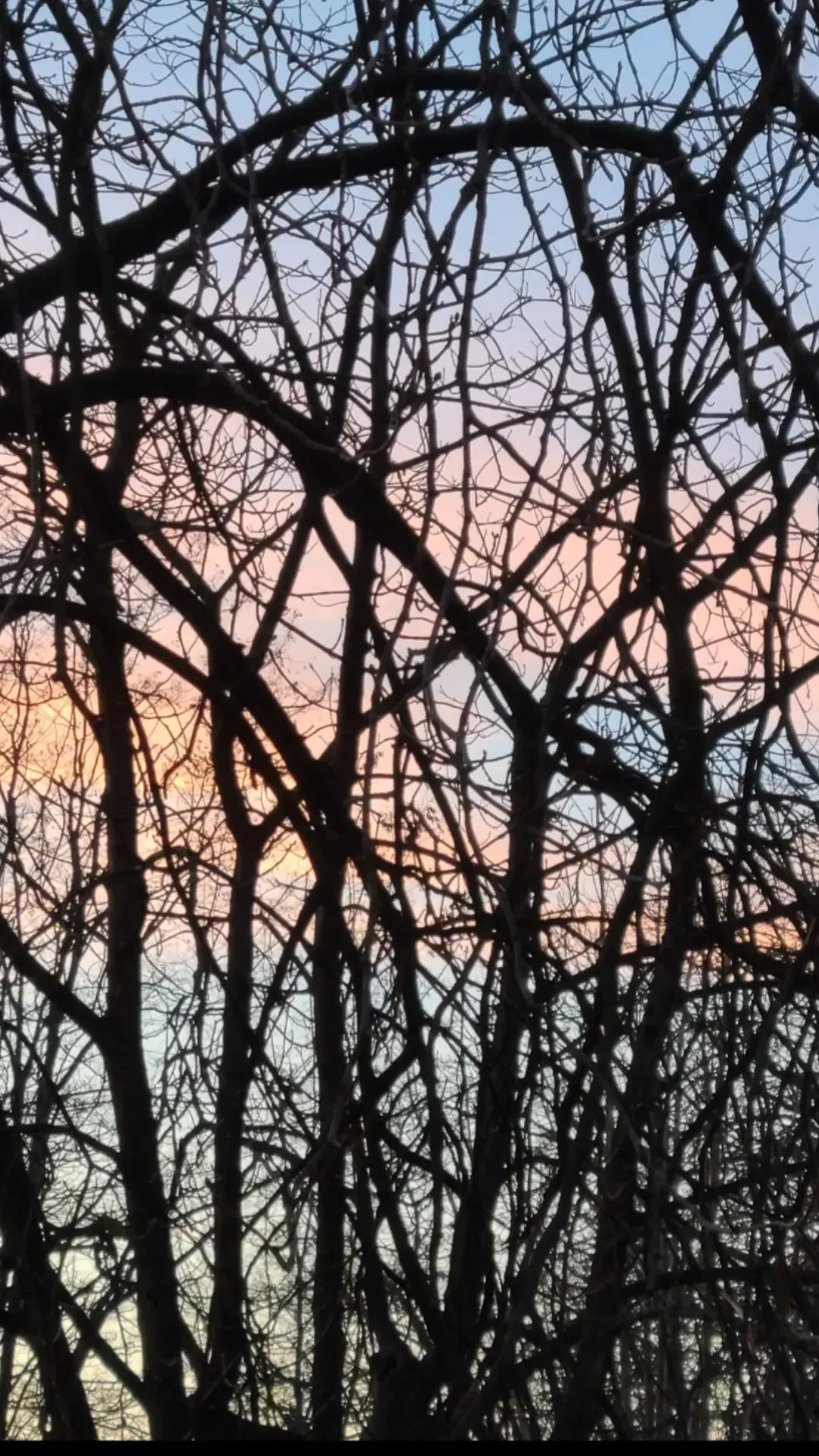
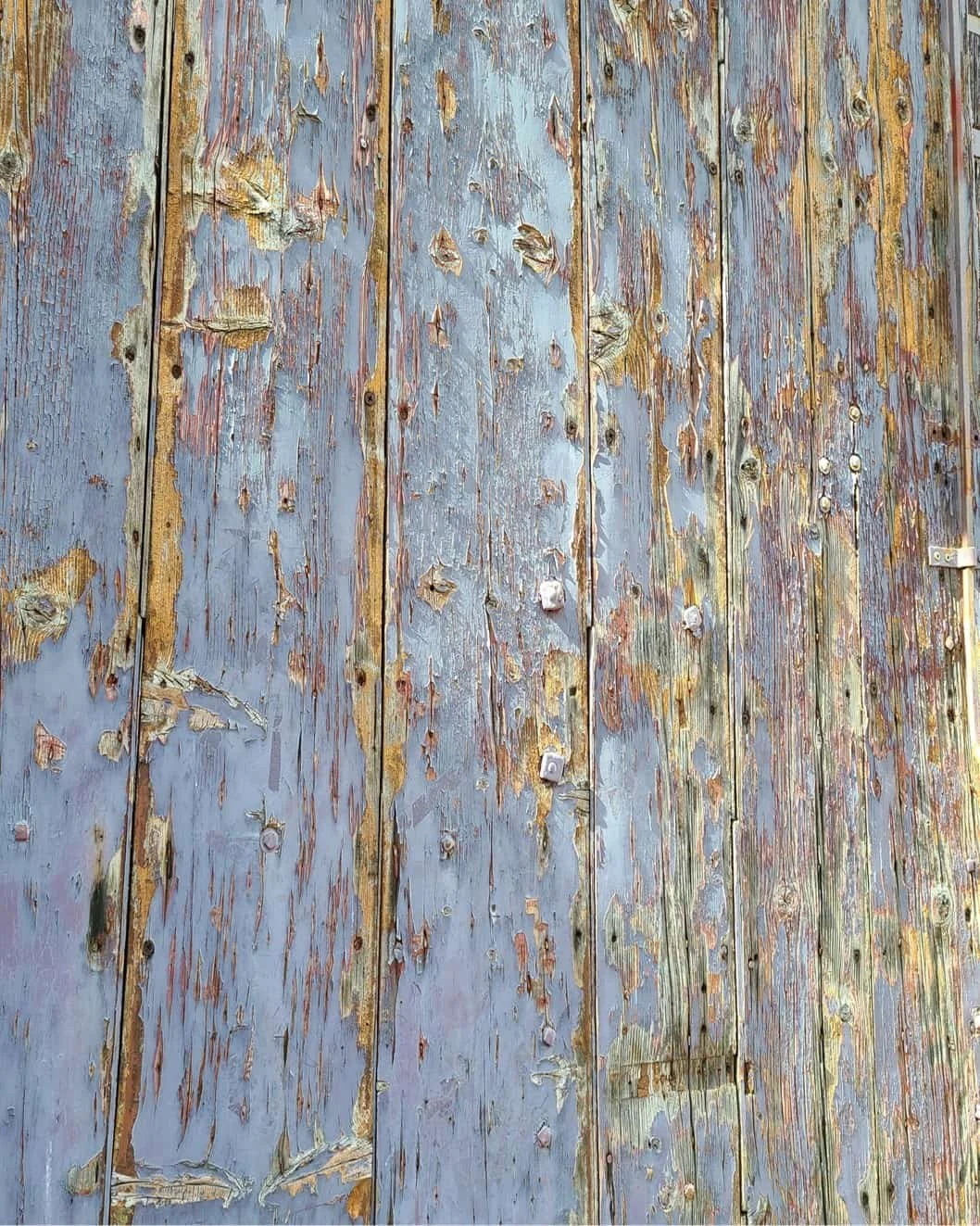
As an artist, I'm particularly drawn to the visual details of the places I visit. Weathered walls, unexpected colour combinations, layered surfaces and the marks and lines that time leaves behind. Sometimes it's a small detail that stays with me, even when I couldn't say exactly why it caught my attention in the first place.
What I experience along the way often finds its way into my work in unexpected forms. The places I visit and the impressions I carry with me become part of how I see and respond to the world around me.
WE BRING MORE BACK THAN WE REALIZE
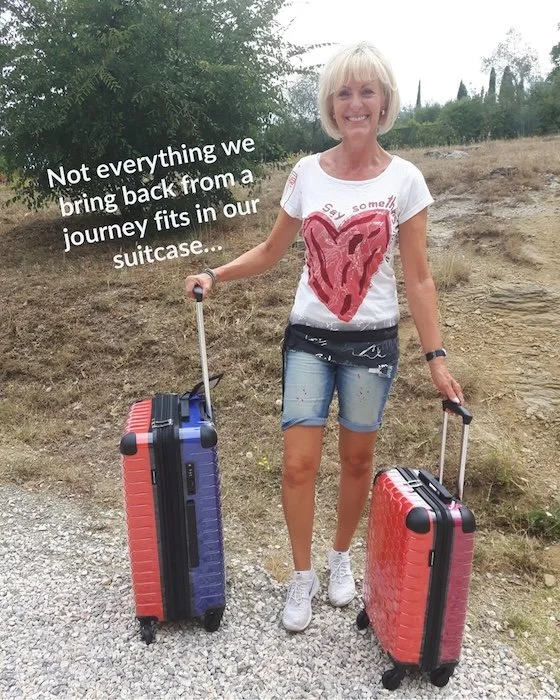
Not everything we bring back from our journey fits into a suitcase.
Memory has its own way of working. We don't hold on to every detail of a place or experience, and what stays with us isn't always what we expected. Over time, our memories change, too. We may see an experience differently years later, shaped by everything that has happened since.
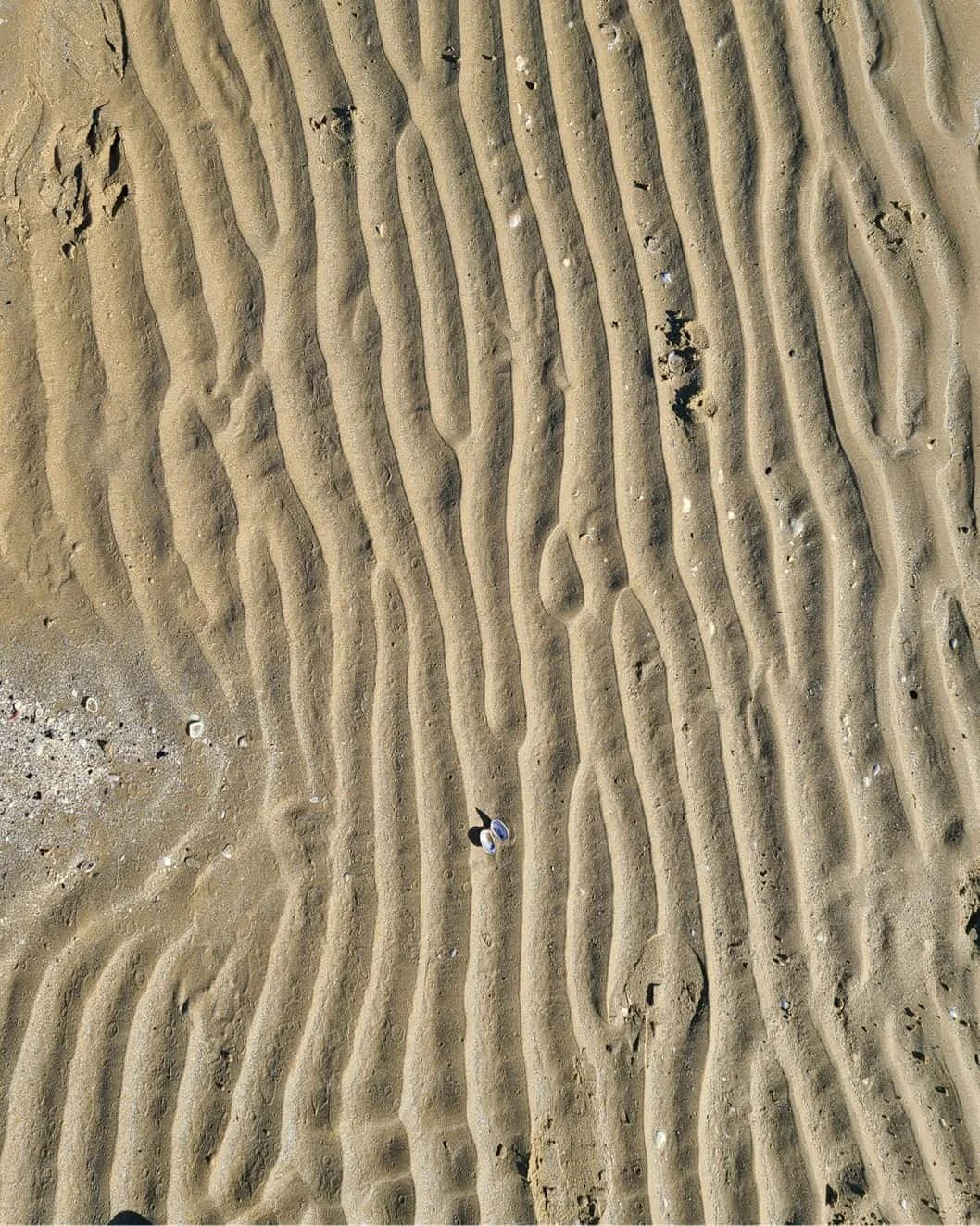
In my paintings, memories don't EVER appear as recognisable places or scenes. It's the feelings connected to them that interest me — what an experience meant to me, what I felt at the time, and what I may still carry with me long afterwards. Those emotions can find expression in colour, texture, layers and the interplay of marks and shapes. The painting doesn't tell the story of a particular memory; it gives the feeling a visual language of its own.
And perhaps this is one of the things art can do: give form to something we recognise or feel, even when we struggle to explain it.
I like the thought that our experiences continue to travel with us, sometimes without us even being aware of it.
MOVING WITHOUT A MAP
There's something else I recognise in both travelling and painting: the willingness to move forward without knowing exactly where I'm going.
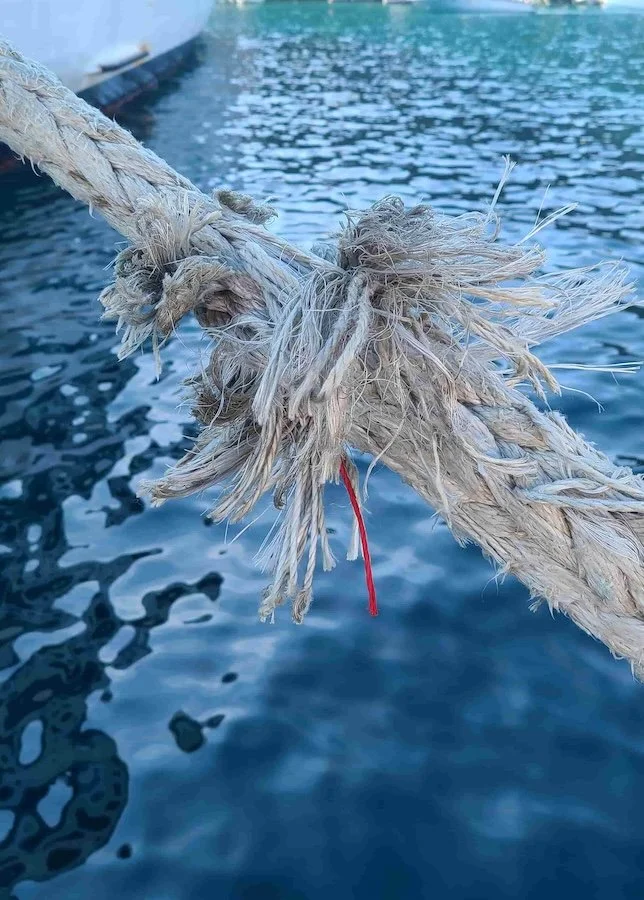
That doesn't mean without direction, awareness or little plans along the way. It means I don't need to know where I'll end up before I begin.
When I'm painting, I make a mark, draw a line, introduce a shape. Then I look at what's there and ask myself: What does this painting need next?
More? Less? A risk? A pause? Something covered up? Something brought forward?
I can never answer those questions in advance. I need to try something to discover whether it works. Sometimes I need to let go of something I thought was right. And sometimes the way forward only becomes clear once I've taken the next step.
Isn't that true of life, too?
We make plans, form expectations and try to imagine how things will unfold. But we can't anticipate every turn, and we don't always understand the significance of an experience while we're living it.
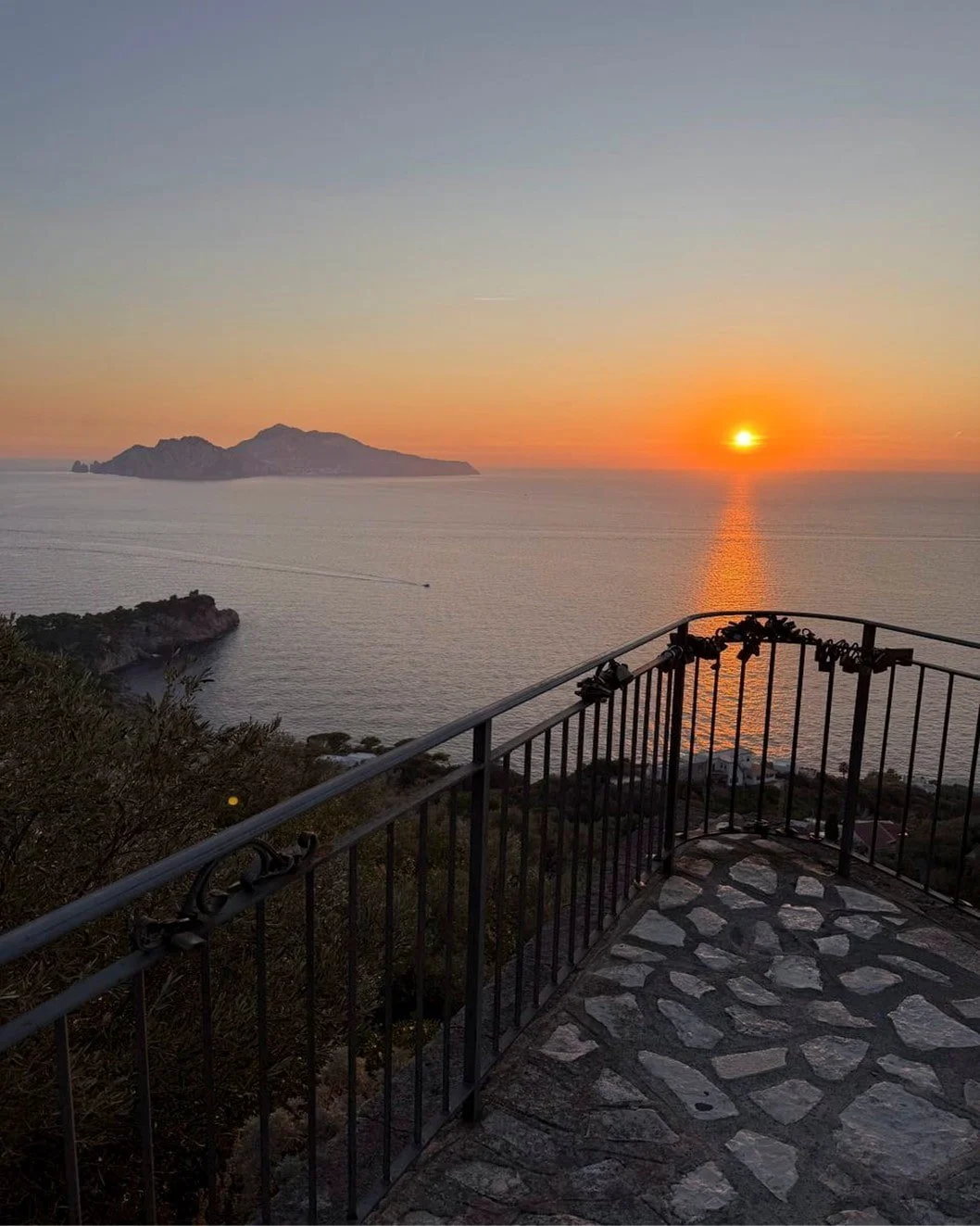
Perhaps we don't need to.
Maybe what matters is being willing to keep moving, to remain curious about what lies ahead, and to allow our experiences to change us in ways we couldn't have planned.
What about you?
Is there a place you've visited that has stayed with you in an unexpected way? Or an experience that has changed how you see something, perhaps only years later?